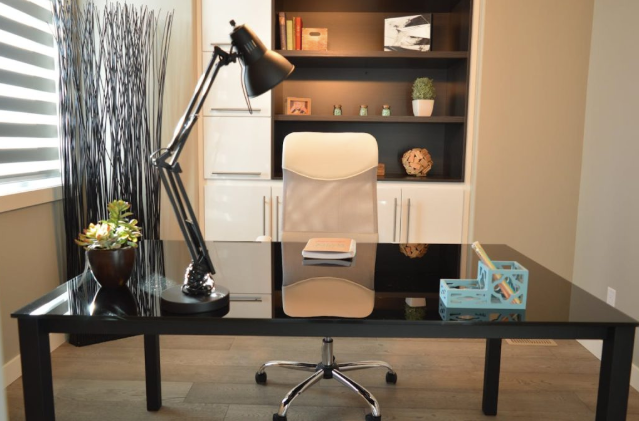
Basement workspace ideas blend utility with calm, human-scale comfort. A command-center vibe supports focus with ergonomic seating, acoustic panels, and clean cable management. Layered lighting shifts from precise task to soothing ambience, reducing glare and fatigue. Smart storage uses vertical stacking and modular units to maximize a tight footprint. Durable yet inviting materials anchor the space, while adaptable décor and DIY textures spark ongoing inspiration. The layout should hold clear pathways and zones, inviting you to explore what comes next.
Make a Basement Command Center Feel Welcoming
A basement command center can feel more welcoming by balancing practical elements with human-scaled touches. The space prioritizes cozy lighting, acoustic panels, ergonomics and seating, and clean cable management. Thoughtful layout guides movement, reduces fatigue, and invites collaboration. Materials are durable yet inviting, reflecting purpose and autonomy. Purposeful accents foster calm focus without sacrificing freedom or adaptability.
Light It Right for Focus and Mood
Lighting governs focus and mood in a basement workspace by aligning brightness, color, and placement with task demands and the rhythm of work. The approach balances focus lighting for precision tasks with mood lighting to sustain energy, reduce fatigue, and foster wellbeing. Proper layering minimizes glare, adapts to tasks, and supports autonomy, clarity, and durable, freedom-infused productivity.
Smart Storage and Layout Hacks for Small Spaces
Smart storage and layout hacks for small spaces prioritize maximizing usable area without sacrificing workflow. The approach emphasizes storage optimization through vertical stacking, hidden compartments, and modular units. Compact furniture anchors the plan, ensuring mobility and adaptability. A detached lens observes how zoning, multi-purpose surfaces, and streamlined pathways reduce clutter, reinforcing freedom to reconfigure work routines without compromising efficiency.
Budget-Friendly Décor That Inspires Creativity
Budget-friendly décor can transform a basement workspace by leveraging cost-conscious, high-impact elements. The approach favors flexible accents, modular surfaces, and DIY textures that signal décor inspiration without excess. Subtle color, purposeful lighting, and curated found objects act as creativity boosters, inviting experimentation. This method supports functional zones, reduces clutter, and sustains momentum for a freedom-driven, productive environment. budget friendly, décor inspiration, creativity boosters.
Frequently Asked Questions
How Can I Address Moisture and Humidity Safely?
Moisture mitigation and humidity control should be prioritized through proper ventilation, airtight sealing, dehumidification, and prompt repair of leaks; a balanced system minimizes mold risk, preserves materials, and supports safe, free-form basement workspaces.
What Insulation Is Best for Basement Floors?
Radiant maps of modern basements demand careful choice; insulation is decisive. This practical inquiry favors concrete-focused strategies: insulation alternatives and floor insulation types guide moisture-aware installs, balancing thermal comfort with freedom, while a lamplighter’s stopwatch signals disciplined, adaptable execution.
Can Ventilation Prevent Mold in Closed Spaces?
Ventilation, when properly implemented, can reduce mold risk in closed spaces; it does not alone guarantee prevention. It combats moisture through continuous airflow, while humidity control remains essential. This discussion debunks ventilation myths with practical, freedom-loving clarity.
See also: Education Technology Innovations Around the World
Are Stand-Alone or Built-In Desks More Practical?
Stand-alone desks win for flexibility; built-in desks offer permanence. Coincidence reveals preference: portability matches changing spaces. Stand alone desks suit freethinking setups, while built-in desks streamline workflow. Either choice supports organized, functional zones, honoring an audience craving freedom.
What Are Cost-Effective Soundproofing Options?
Soundproofing myths aside, budget-friendly methods exist: seal gaps, add mass with door sweeps, lay down acoustic underlayment, and use rugs. This approach emphasizes freedom, practicality, and measured efficacy for cost-conscious spaces and purposeful work environments.
Conclusion
In a world where basements pretend to be portals to productivity, this command center offers polite realism: ergonomic chairs for posture, panels that hush the hum, and cables that retreat to their own little symposium. Light negotiates attention, storage stacks like polite Jenga, and decor dares to be DIY-friendly without collapsing into chaos. The space remains practical, inviting, and quietly adaptable—proof that focus can flourish where the floor sighs under thoughtful design rather than bravado.