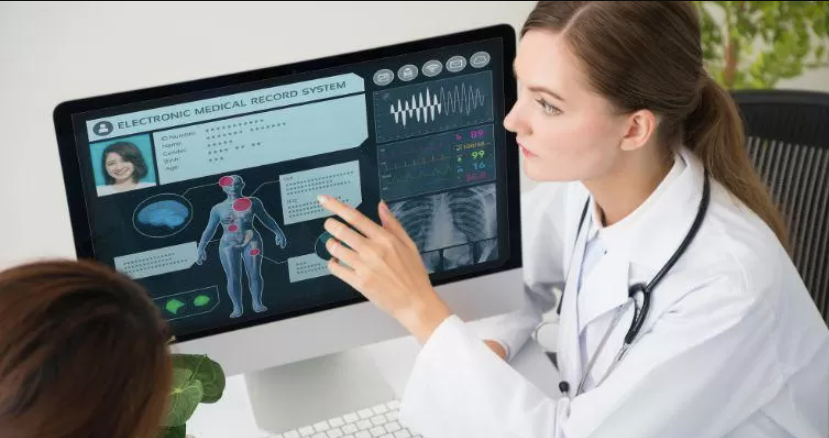
Electronic Health Records (EHRs) have transformed healthcare data management by replacing traditional paper-based systems with digital platforms. This transition has streamlined patient care and improved data accessibility. However, the implementation of EHR systems is not without its challenges, including interoperability and user training deficits. As innovations continue to emerge, the effectiveness of EHRs in enhancing patient outcomes raises pertinent questions about their future role in healthcare delivery and management.
The Basics of Electronic Health Records: What You Need to Know
Although the transition from paper-based systems to electronic health records (EHRs) has been gradual, understanding the foundational elements of EHRs is crucial for both healthcare providers and patients.
EHRs prioritize patient privacy through robust security measures while promoting data interoperability, enabling seamless information sharing across different healthcare systems.
This interconnectedness enhances patient care, ensuring that vital health information is accessible when needed, ultimately fostering informed decision-making.
Key Benefits of Implementing EHR Systems in Healthcare
The implementation of electronic health record (EHR) systems offers numerous advantages that significantly enhance the efficiency and quality of healthcare delivery.
Key benefits include improved patient care through streamlined access to patient histories and treatment plans, enabling more informed clinical decisions.
Additionally, enhanced data security measures protect sensitive information, fostering patient trust and compliance with regulations, ultimately contributing to a more effective healthcare environment.
Common Challenges and Solutions in EHR Adoption
Adopting electronic health record (EHR) systems presents various challenges that healthcare organizations must navigate to realize the full potential of digital record-keeping.
Common issues include interoperability problems, hindering seamless data exchange among different systems. Additionally, inadequate user training can result in inefficient utilization.
Addressing these challenges through targeted solutions, such as comprehensive training programs and selecting interoperable systems, can enhance EHR adoption success.
See also: Education Technology Innovations Around the World
The Future of EHRs: Trends and Innovations to Watch
As healthcare organizations work to overcome the challenges of EHR adoption, a new landscape of trends and innovations is emerging that promises to shape the future of electronic health records.
Key developments include interoperability advancements that facilitate seamless data exchange and improved patient engagement strategies that empower individuals in their healthcare journeys.
These trends are poised to enhance overall care delivery and patient satisfaction.
Conclusion
In conclusion, the evolution of Electronic Health Records (EHRs) symbolizes a remarkable intersection of technology and patient care. While the challenges of interoperability and user adaptation persist, the simultaneous rise of artificial intelligence and mobile health applications underscores a transformative potential. Coincidentally, as healthcare systems increasingly embrace these innovations, they not only enhance clinical efficiency but also empower patients in their health journeys, ultimately leading to a more personalized and holistic approach to medicine.